
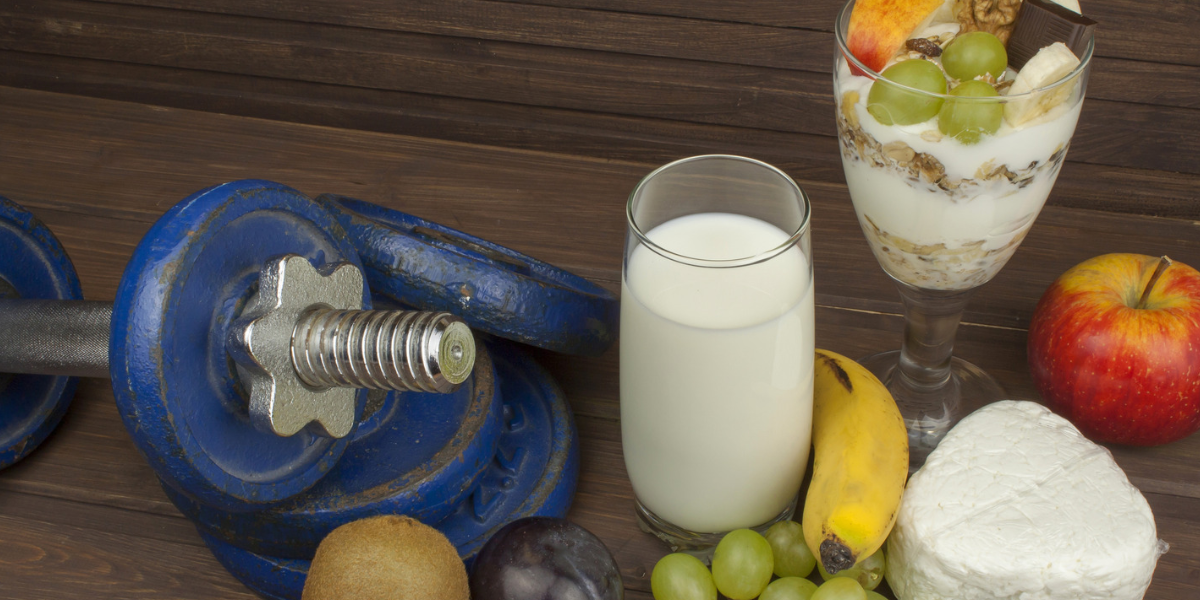
Building muscle requires more than spending hours in the gym. Along with consistent strength training, your body needs adequate nutrition to repair muscle tissue, support recovery and develop strength. Protein plays an especially important role in this process.
But with so many options available, which type of protein is best for muscle building? Should gym-goers choose whey protein, casein, soy protein or natural food sources? Is protein powder necessary, or can you build muscle through everyday meals?
The answer depends on your dietary preferences, fitness goals, digestion and overall protein intake. Understanding the different types of protein can help you make a better decision and support your muscle-building journey.
Which Type of Protein Is Best for Muscle Building?
Whey protein is one of the most popular choices for muscle building because it contains all nine essential amino acids, is easily digested and provides a good amount of leucine, an amino acid involved in stimulating muscle protein synthesis.
However, whey is not the only effective option. Casein, soy protein, other plant-based protein blends and protein-rich foods can also support muscle growth when consumed in sufficient quantities.
Here is a quick comparison:
| Protein type | Main benefit | Suitable for |
|---|---|---|
| Whey protein | High-quality, quickly digested protein | Muscle building and post-workout nutrition |
| Casein protein | Slowly digested protein | People looking for a longer-lasting protein source |
| Soy protein | Complete plant-based protein | Vegetarians and people avoiding dairy |
| Pea protein | Plant-based protein option | People with dairy intolerance or dietary restrictions |
| Protein blends | Combine different protein sources | People looking for varied plant-based protein sources |
| Natural food protein | Provides protein along with other nutrients | Anyone building muscle through regular meals |
The most important factor is not simply the type of protein you consume. It is whether your overall diet provides enough protein to support your training and recovery.
1. Whey Protein: A Popular Choice for Muscle Growth
Whey protein is derived from milk during the cheese-making process. It is widely used by gym-goers because it provides all essential amino acids and is particularly rich in leucine.
Leucine helps activate muscle protein synthesis, the process through which the body builds and repairs muscle proteins.
There are three common forms of whey protein:
Whey Protein Concentrate
Whey concentrate contains protein along with small amounts of carbohydrates, fats and lactose. Its protein concentration varies by product, but it is generally less processed than whey isolate.
It is often a practical option for people who tolerate dairy and want a protein supplement for everyday use.
Whey Protein Isolate
Whey isolate undergoes additional processing to remove much of its lactose, fat and carbohydrate content. It generally provides a higher percentage of protein per serving than concentrate.
It may be suitable for people who are sensitive to some lactose, although it is not necessarily completely lactose-free.
Whey Protein Hydrolysate
Whey hydrolysate is processed to break some proteins into smaller peptides, making them easier to digest in some circumstances.
It is often more expensive, but it is not automatically better for muscle growth than other high-quality whey options.
Who should consider whey protein?
- Gym-goers aiming to increase daily protein intake.
- People following strength-training programmes.
- Individuals who struggle to obtain enough protein from regular meals.
- People who want a convenient post-workout protein source.
2. Casein Protein: A Slowly Digested Protein Source
Casein is another milk-derived protein. Unlike whey, it is digested and absorbed more slowly, providing a gradual release of amino acids.
Some people consume casein before sleeping because it can provide protein during the overnight fasting period.
However, consuming casein at night is not compulsory for muscle growth. Your total daily protein intake and consistent resistance training remain more important than the exact time you consume it.
Who should consider casein protein?
- People who prefer a slowly digested protein source.
- Individuals looking for an additional way to meet their daily protein requirements.
- Gym-goers who find it convenient to include protein in an evening meal or snack.
Milk, curd and paneer also provide casein naturally, so a supplement is not essential.
3. Soy Protein: A Complete Plant-Based Protein
Soy protein is one of the most useful protein options for vegetarians and people following plant-based diets.
Unlike many individual plant protein sources, soy contains all nine essential amino acids. It is available in forms such as soy protein isolate, soy protein concentrate and textured soy products.
Soy protein can support muscle growth when consumed in adequate quantities alongside resistance training.
Some excellent soy-based food options include:
- Soy chunks
- Tofu
- Soy milk
- Tempeh
- Soy protein powder
Who should consider soy protein?
- Vegetarians looking for high-protein food options.
- People following dairy-free diets.
- Gym-goers who want alternatives to whey protein.
- Individuals looking to increase protein intake through plant-based foods.
4. Pea Protein and Other Plant-Based Protein Powders
Pea protein is commonly made from yellow split peas. It is a popular alternative for people who avoid dairy or prefer plant-based supplements.
It provides a good amount of protein but is relatively low in certain essential amino acids, particularly methionine, compared with some other protein sources.
This is why some plant-based protein supplements combine pea protein with rice or other plant proteins to improve their overall amino acid profile.
Other plant-based protein sources include:
- Brown rice protein
- Hemp protein
- Pumpkin seed protein
- Blended plant protein powders
When choosing a plant-based supplement, check the protein content per serving, ingredient list and amino acid profile rather than relying only on the product’s marketing claims.
5. Natural Food Sources of Protein for Muscle Building
Protein supplements are convenient, but they are not necessary for building muscle. You can meet your daily protein requirements through regular food if your diet is planned appropriately.
Both vegetarian and non-vegetarian diets can provide sufficient protein.
High-Protein Vegetarian Foods
| Food | Approximate protein content |
|---|---|
| Soy chunks, 100 g dry | 50–52 g |
| Paneer, 100 g | 15–20 g |
| Tofu, 100 g | 10–17 g |
| Milk, 250 ml | 8 g |
| Greek yoghurt, 100 g | 8–10 g |
| Cooked lentils, 100 g | 8–9 g |
| Cooked chickpeas, 100 g | 8–9 g |
High-Protein Non-Vegetarian Foods
| Food | Approximate protein content |
|---|---|
| Chicken breast, 100 g cooked | 30–31 g |
| Tuna, 100 g | 25–29 g |
| Fish, 100 g cooked | 20–26 g |
| Eggs, 2 large | 12–13 g |
| Lean meat, 100 g cooked | 25–30 g |
Note: These are approximate values. Actual protein content varies depending on the food variety, brand, preparation method and whether the weight is measured raw or cooked.
For vegetarians, combining different protein sources throughout the day can help provide a balanced amino acid intake. For example, combining grains and legumes, or including dairy and soy products, can make a diet more protein-rich.
Whey Protein vs Plant Protein: Which Is Better?
One of the most common questions among gym-goers is whether whey protein is better than plant protein.
Whey protein generally has a strong amino acid profile, high digestibility and a relatively high leucine content. It is therefore a convenient option for supporting muscle protein synthesis.
However, plant-based protein can also support muscle development. Soy protein and appropriately formulated plant protein blends are useful alternatives.
Here is how they compare:
| Comparison | Whey protein | Plant-based protein |
|---|---|---|
| Source | Milk | Soy, peas, rice and other plants |
| Essential amino acids | Complete | Depends on the source or blend |
| Leucine content | Generally high | Varies by source |
| Suitable for vegans | No | Yes, if fully plant-based |
| Dairy-free | No | Usually |
| Muscle-building potential | Excellent | Effective when intake and quality are adequate |
Which one should you choose?
Choose whey protein if you consume dairy, tolerate it well and want a convenient source of high-quality protein.
Choose soy protein or a well-formulated plant protein blend if you follow a vegetarian or vegan diet or prefer to avoid dairy.
Neither option guarantees better muscle growth on its own. Your overall nutrition and training programme determine the results.
How Much Protein Do Gym-Goers Need Every Day?
Knowing which protein to consume is only one part of muscle building. You also need to understand how much protein your body requires.
For most healthy adults who exercise regularly, protein requirements depend on training intensity, body weight, age, fitness goals and overall calorie intake.
For people involved in regular resistance training, a daily intake of approximately 1.4–2.0 grams of protein per kilogram of body weight is a commonly recommended range.
For example:
| Body weight | Approximate daily protein range |
|---|---|
| 50 kg | 70–100 g |
| 60 kg | 84–120 g |
| 70 kg | 98–140 g |
| 80 kg | 112–160 g |
| 90 kg | 126–180 g |
These figures are general guidelines, not mandatory targets for everyone. Individual requirements may vary depending on training, health and dietary circumstances.
Should You Consume Protein in Every Meal?
Distributing protein across your meals can help support muscle protein synthesis throughout the day.
Instead of consuming most of your protein in one meal, try including a protein source in breakfast, lunch, dinner and snacks.
For example:
- Breakfast: Milk, Greek yoghurt or tofu.
- Lunch: Dal, paneer, chickpeas or chicken.
- Evening snack: Greek yoghurt, roasted chana or a protein shake.
- Dinner: Tofu, soy chunks, fish or other protein-rich foods.
A balanced approach makes it easier to meet your daily protein target without relying entirely on supplements.
When Is the Best Time to Consume Protein?
Many gym beginners believe that protein must be consumed immediately after finishing a workout. Although consuming protein after exercise is a convenient way to support recovery, the so-called anabolic window is not as narrow as commonly suggested.
Muscle protein synthesis remains elevated for several hours after resistance training.
You can consume a protein-rich meal or shake before or after your workout, depending on your schedule and food intake.
Consider these practical guidelines:
- Before a workout: Have a balanced meal containing protein and carbohydrates if your schedule allows.
- After a workout: Include a protein-rich meal or shake to support muscle recovery.
- Throughout the day: Distribute your protein intake across regular meals.
- Before sleeping: A protein-rich snack is optional, not essential.
Consistency matters more than following an exact supplement schedule.
Can You Build Muscle Without Protein Supplements?
Yes. You can build muscle without using protein powder.
Protein supplements are simply a convenient way to increase protein intake. They do not contain any special muscle-building properties that cannot be obtained from a well-planned diet.
For example, a vegetarian diet can include:
- Paneer and milk
- Greek yoghurt and curd
- Soy chunks and tofu
- Lentils and chickpeas
- Kidney beans and other legumes
- Nuts and seeds
However, some foods contain considerably more protein per serving than others. Planning meals around protein-rich ingredients can make it easier to reach your daily target.
If you struggle to consume enough protein through regular meals, a supplement may be useful. It should complement your diet rather than replace balanced meals.
Common Protein Mistakes Gym Beginners Should Avoid
Choosing the right protein supplement is important, but some common mistakes can prevent gym-goers from getting the results they expect.
1. Depending Entirely on Protein Powder
Protein powder cannot replace a balanced diet. Your body also needs carbohydrates, healthy fats, vitamins, minerals and adequate calories to support exercise and recovery.
2. Ignoring Daily Protein Intake
Taking one protein shake after a workout does not automatically mean you have consumed enough protein for the day.
Focus on your total daily intake rather than only your post-workout shake.
3. Buying Supplements Based Only on Brand Names
An expensive supplement is not necessarily better. Compare protein per serving, ingredient quality, serving size, nutritional information and cost before purchasing.
4. Neglecting Strength Training
Protein alone cannot build significant muscle. Your muscles need an appropriate training stimulus, such as progressive resistance training, to adapt and grow.
5. Expecting Immediate Results
Muscle development takes time. Consistent training, sufficient nutrition, sleep and recovery are essential for long-term progress.
Frequently Asked Questions
1. Which protein is best for muscle building?
Whey protein is a popular choice because it provides all essential amino acids and is rich in leucine. Soy protein and well-formulated plant protein blends are also effective alternatives when consumed in adequate quantities.
2. Is whey protein necessary for building muscle?
No. Whey protein is not compulsory for muscle growth. You can meet your protein requirements through foods such as paneer, milk, tofu, soy chunks, lentils, eggs, fish and chicken.
3. Is plant protein as effective as whey protein?
Some plant proteins, particularly soy and blended plant protein products, can effectively support muscle development. The amount consumed and the overall amino acid profile are important considerations.
4. Can beginners take protein powder?
Healthy adults who are beginning gym training can use protein powder if they need help meeting their daily protein requirements. However, beginners should first focus on building a balanced diet and a consistent exercise routine.
5. Does consuming protein before sleeping help muscle growth?
A protein-rich evening snack, including casein-rich foods such as milk or curd, can contribute to daily protein intake and overnight muscle protein synthesis. However, it is not essential if your daily protein requirements are already being met.
6. Can vegetarians build muscle without whey protein?
Yes. Vegetarian gym-goers can build muscle using foods such as paneer, tofu, soy chunks, milk, curd, lentils and chickpeas. A well-planned vegetarian diet can provide sufficient protein for muscle development.
7. How much protein should I consume after a workout?
A practical target for many exercising adults is approximately 20–40 g of high-quality protein in a meal or snack. The appropriate amount depends on body size, daily protein needs and the rest of the diet.
Build Strength With the Right Nutrition and Training
Choosing the best protein for muscle building is not about finding the most expensive supplement or following the latest fitness trend. It is about understanding your nutritional requirements and selecting protein sources that fit your lifestyle and fitness goals.
Whether you choose whey protein, soy protein, plant-based supplements or everyday foods, focus on meeting your daily protein requirements while following a consistent strength-training routine.
At Meera’s Fitness Centre, you can work towards your fitness goals with structured exercise routines and guidance from fitness professionals. Explore our bodybuilding and strength training facilities or connect with our fitness trainers to learn more about building a consistent workout routine.
Remember: Muscle growth comes from the combination of progressive training, adequate protein, balanced nutrition and proper recovery—not from protein supplements alone.