
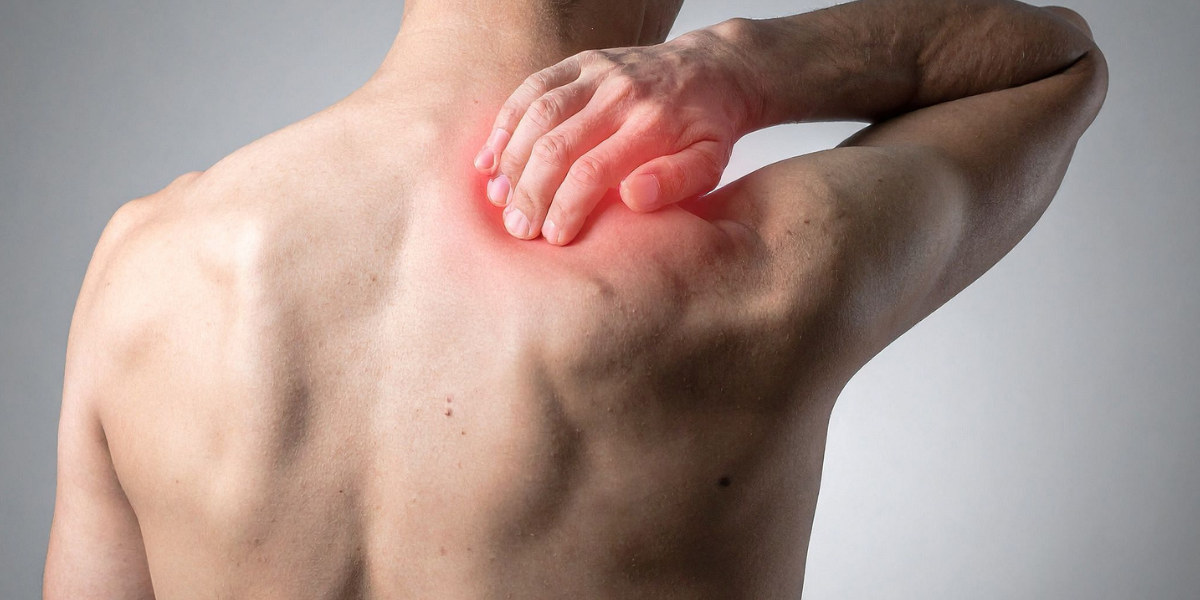
Starting a new workout routine or increasing the intensity of your training often comes with one common side effect—muscle soreness. While sore muscles can be a sign that your body is adapting to exercise, excessive pain can make everyday activities uncomfortable and even discourage you from continuing your fitness journey.
The good news is that muscle soreness is usually temporary and can be managed effectively with the right recovery techniques. Whether you’re a beginner or a regular gym-goer, understanding why soreness happens and how to reduce it can help you recover faster and perform better in your next workout.
What Causes Muscle Soreness After a Workout?
Muscle soreness, commonly known as Delayed Onset Muscle Soreness (DOMS), typically appears 12 to 48 hours after exercising. It occurs when your muscles experience tiny microscopic tears during activities like strength training, resistance exercises, or high-intensity workouts.
Common reasons include:
- Starting a new workout program
- Increasing workout intensity
- Lifting heavier weights
- Trying unfamiliar exercises
- Performing eccentric movements (slow lowering of weights)
DOMS is a normal part of muscle adaptation and recovery.
How Long Does Muscle Soreness Last?
For most people, muscle soreness peaks within 24 to 48 hours and gradually improves within 3 to 5 days.
However, severe pain, swelling, or inability to move a joint normally may indicate an injury rather than normal soreness and should be evaluated by a healthcare professional.
Struggling with muscle soreness after every workout? Train smarter with expert guidance at Meera’s Fitness Centre. Our Body Building programs are designed to help you build strength safely, improve recovery, and achieve lasting results. Explore our Body Building program today and start training the right way.
8 Effective Ways to Reduce Muscle Soreness Fast
1. Stay Hydrated
Proper hydration helps transport nutrients to your muscles and supports recovery. Drinking enough water throughout the day can reduce stiffness and improve muscle function.
2. Prioritize Protein Intake
Your muscles need protein to repair and grow after exercise.
Include foods such as:
- Paneer
- Greek yogurt
- Lentils
- Tofu
- Soy products
- Milk
A balanced post-workout meal containing both protein and carbohydrates supports faster recovery.
3. Perform Light Active Recovery
Complete bed rest isn’t always the best solution.
Light activities such as:
- Walking
- Cycling
- Gentle stretching
- Yoga
can increase blood circulation and reduce muscle stiffness.
4. Get Quality Sleep
Most muscle repair happens while you sleep. Aim for 7–9 hours of quality sleep every night to allow your body enough time to recover from training.
5. Warm Up Before Every Workout
A proper warm-up prepares your muscles for exercise and reduces the likelihood of excessive soreness.
Spend at least 5–10 minutes doing:
- Dynamic stretches
- Light cardio
- Mobility exercises
before lifting weights.
6. Cool Down After Exercise
Cooling down helps gradually lower your heart rate and improves flexibility.
Finish every workout with:
- Static stretching
- Deep breathing
- Light walking
to promote recovery.
7. Avoid Training the Same Muscle Group Daily
Muscles need time to repair.
A well-structured workout schedule allows different muscle groups to recover before being trained again.
At Meera’s Fitness Centre, trainers create personalized workout plans that balance exercise with proper recovery to help members achieve long-term fitness results safely.
8. Consider a Gentle Massage or Foam Rolling
Foam rolling or massage therapy may help reduce muscle tightness and improve blood flow.
Rolling your muscles for just 5–10 minutes after a workout can help ease discomfort.
Foods That Support Muscle Recovery
Nutrition plays a major role in reducing muscle soreness.
Consider adding these foods to your diet:
- Bananas
- Berries
- Nuts
- Seeds
- Spinach
- Sweet potatoes
- Oats
- Turmeric
- Ginger
A balanced diet combined with regular hydration supports faster muscle repair.
When Should You Be Concerned?
Normal soreness gradually improves over a few days.
Consult a medical professional if you experience:
- Sharp or severe pain
- Significant swelling
- Joint instability
- Pain lasting more than one week
- Difficulty moving the affected area
These symptoms may indicate an injury rather than typical post-workout soreness.
How Meera’s Fitness Centre Helps You Recover Better
Recovery is just as important as training.
At Meera’s Fitness Centre, members receive guidance beyond workouts. Experienced trainers focus on proper exercise techniques, progressive training plans, adequate recovery, and fitness education to help minimize unnecessary soreness while maximizing results.
Whether your goal is weight loss, muscle building, or improving overall fitness, expert supervision ensures that you train safely and recover efficiently.
Conclusion
Muscle soreness after the gym is completely normal, especially when challenging your body with new exercises or higher intensity workouts. The key is not to avoid exercise but to support your body through proper recovery practices such as hydration, nutrition, stretching, sleep, and smart training.
With expert guidance and structured workout programs, you can reduce soreness, recover faster, and stay consistent on your fitness journey.
If you’re looking for professional fitness coaching and personalized training in Thane West, contact Meera’s Fitness Centre and let our experienced trainers help you achieve your health goals safely.