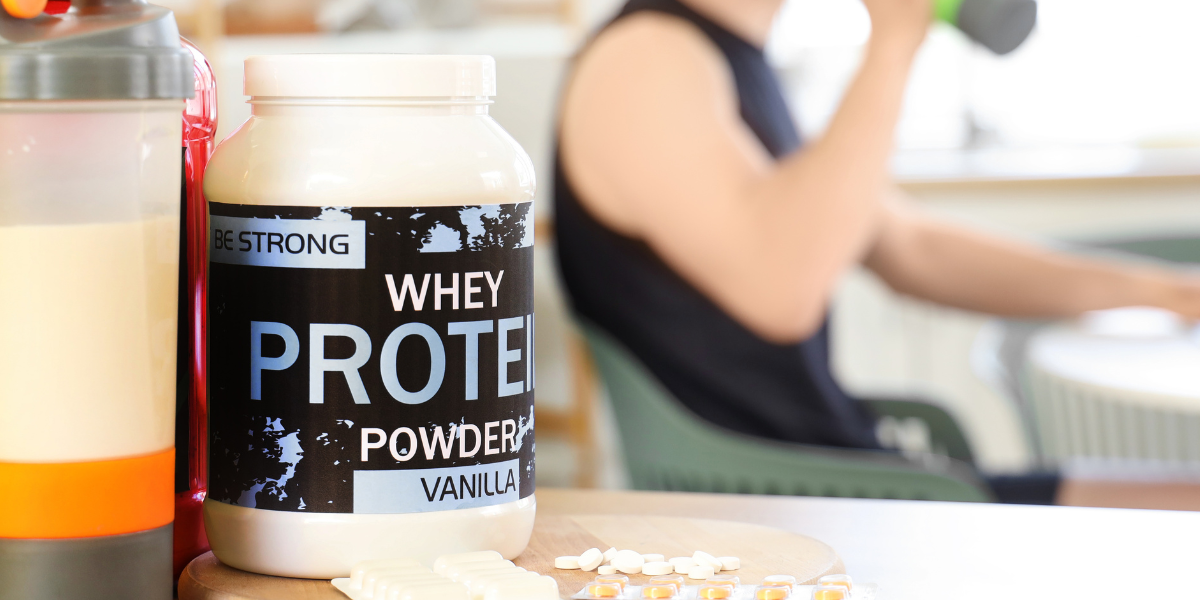
Why is protein important for your workout? Protein provides the amino acids your body needs to repair and build muscle tissue after exercise. It is especially important for people who regularly perform strength training because resistance exercise and adequate protein intake work together to support muscle growth, recovery, and strength development.
However, protein is not only for bodybuilders. Whether your goal is building muscle, losing weight, improving strength, or maintaining fitness, getting enough protein as part of a balanced diet can support your training and recovery.
The important thing is not simply consuming as much protein as possible. Your total daily protein intake, overall diet, workout routine, recovery, and consistency all matter.
What Does Protein Do for Your Body?
Protein is a macronutrient made up of amino acids. Your body uses these amino acids for many functions, including maintaining and repairing tissues.
When you exercise, particularly during resistance training, your muscles experience stress that stimulates muscle protein turnover. Consuming enough protein provides the amino acids needed to support muscle repair and adaptation.
Protein helps support:
- Muscle repair
- Muscle growth
- Strength development
- Recovery after exercise
- Maintenance of lean muscle mass
- Overall tissue maintenance
This is why protein and exercise are closely connected.
Why Is Protein Important After a Workout?
A workout provides the stimulus, but your body needs adequate nutrition and recovery to adapt to that stimulus.
Resistance exercise stimulates muscle protein synthesis, and consuming protein around the exercise period can further stimulate this process.
This makes protein particularly important after strength training.
A balanced post-workout meal can provide:
- Protein for muscle repair
- Carbohydrates to help replenish energy
- Fluids for hydration
- Micronutrients that support overall health
However, you don’t need to panic about consuming protein immediately after your last repetition. Your overall daily protein intake is more important than obsessing over a narrow “anabolic window.”
5 Important Benefits of Protein for Gym-Goers
1. Protein Supports Muscle Growth
One of the most well-known reasons people increase protein intake is to support muscle growth.
When resistance training is combined with adequate protein intake, research shows improvements in lean body mass and strength compared with resistance training alone in many populations.
This makes sufficient protein particularly important if your goal is:
- Building muscle
- Increasing muscle size
- Improving strength
- Bodybuilding
But protein alone cannot build significant muscle. Your muscles also need an appropriate resistance-training stimulus, enough energy, and recovery.
2. Protein Helps With Muscle Recovery
Exercise places stress on your muscles. Protein provides amino acids that contribute to the repair and remodeling process following exercise.
Adequate protein intake can therefore be an important part of your recovery routine.
That doesn’t mean protein completely prevents post-workout soreness. In fact, a systematic review found that protein supplementation did not significantly reduce muscle soreness, even though it showed some benefits for maintaining strength and reducing certain markers of muscle damage.
3. Protein Helps Support Strength Gains
Strength training and adequate protein intake work together.
A large meta-analysis of resistance-training studies found that protein supplementation increased gains in strength and fat-free mass, although the additional benefits became smaller as total daily protein intake increased.
So if you’re consistently training but not eating enough protein, improving your overall protein intake may help you get more from your training program.
4. Protein Can Help Preserve Muscle During Weight Loss
When you’re trying to lose weight, your goal should not simply be to make the number on the weighing scale smaller.
Ideally, you want to reduce excess body fat while preserving as much lean muscle mass as possible.
Adequate protein, combined with resistance training, can help support lean mass during a calorie-controlled diet. Research indicates that increasing protein intake can provide small additional benefits for lean body mass when combined with resistance exercise.
This is one reason protein is important for people whose goal is fat loss and body recomposition.
5. Protein Helps You Build a Stronger Training Foundation
Your workout is only one part of fitness.
A sustainable fitness routine also requires:
- Adequate nutrition
- Protein
- Hydration
- Sleep
- Recovery
- Consistent training
Think of your workout as the stimulus and your nutrition and recovery as the support system that allows your body to adapt.
How Much Protein Do You Need When You Go to the Gym?
Protein requirements depend on factors such as:
- Body weight
- Training intensity
- Training volume
- Fitness goals
- Age
- Overall calorie intake
- Type of exercise
The International Society of Sports Nutrition states that 1.4–2.0 grams of protein per kilogram of body weight per day is sufficient for most exercising individuals to support training adaptations.
For example, a person weighing 70 kg would have a broad exercise-focused range of approximately 98–140 grams of protein per day.
However, this should not be treated as a universal prescription. Individual needs can differ, particularly for people with specific medical or dietary considerations.
Does More Protein Always Mean More Muscle?
No.
More protein does not automatically mean more muscle.
A meta-analysis of 49 studies involving 1,863 participants found that protein supplementation improved strength and fat-free mass during prolonged resistance training, but benefits to fat-free mass did not continue to increase beyond approximately 1.6 g/kg/day in the analysis.
Your training quality, total calories, sleep, recovery, and overall diet still matter.
How Much Protein Should You Eat Per Meal?
Instead of consuming almost all your protein in one meal, it can be useful to distribute protein across your meals throughout the day.
Sports nutrition guidance commonly recommends approximately 0.25 g/kg of high-quality protein per serving, or around 20–40 grams per meal for many exercising adults, although individual needs vary.
For example, instead of trying to consume 100 grams of protein at dinner, you could distribute your intake across:
- Breakfast
- Lunch
- Pre- or post-workout meal
- Dinner
This can make reaching your daily protein target much easier.
When Is the Best Time to Eat Protein?
There is no need to treat protein timing as a race against the clock.
Protein consumed before or after resistance exercise can support muscle protein synthesis, but meeting your overall daily protein requirement is a bigger priority.
A practical approach is to have a protein-containing meal or snack around your workout when convenient.
For example:
Before workout:
Oats with milk and yogurt
After workout:
Paneer with roti, tofu with rice, or a protein-rich meal
The exact choice depends on your dietary preferences, workout schedule, and overall calorie needs.
Best Vegetarian Protein Sources for Gym-Goers
You don’t need to eat meat or use protein supplements to get protein.
Vegetarian diets can provide plenty of protein when meals are planned properly.
Good options include:
Dairy
- Milk
- Curd
- Greek yogurt
- Paneer
- Cottage cheese
Soy-Based Foods
- Tofu
- Soy chunks
- Soy milk
- Edamame
Pulses and Legumes
- Dal
- Chickpeas
- Rajma
- Black beans
- Green peas
Nuts and Seeds
- Peanuts
- Almonds
- Pumpkin seeds
- Chia seeds
- Sesame seeds
Grains and Other Foods
- Oats
- Quinoa
- Whole-grain foods
Combining different plant-based protein sources across the day can help you meet your nutritional requirements.
Do You Need Protein Powder to Build Muscle?
No.
Protein powder is a convenient way to increase protein intake, but it is not essential for building muscle.
You can obtain protein from regular foods such as paneer, milk, curd, tofu, soy products, dal, beans, and other protein-rich foods.
Protein supplements can be useful when:
- You struggle to meet your protein target through food
- You have a busy schedule
- You need a convenient post-workout option
- You find it difficult to consume enough protein from meals
The International Society of Sports Nutrition describes supplemental protein as a convenient way of consuming high-quality protein, while also emphasizing whole-food protein sources.
The key is to treat protein powder as a supplement to your diet, not a replacement for a balanced diet.
Is Protein Important for Weight Loss?
Yes, protein can be useful during weight loss, particularly when combined with resistance training.
When you’re eating fewer calories, maintaining adequate protein intake and performing resistance training can help support lean body mass. Research has found that increasing protein intake provides small additional improvements in lean body mass among people performing resistance exercise.
Protein can also be included in balanced meals that help you stay satisfied while working toward your calorie goals.
However, protein is not a magic fat-burning nutrient.
Weight loss still depends primarily on maintaining an appropriate calorie deficit over time.
For structured weight-loss training, explore our Weight Loss program:
Protein and Bodybuilding: Why Both Matter
If your goal is bodybuilding, protein becomes particularly relevant because resistance training creates the stimulus for muscle adaptation.
A good bodybuilding routine should combine:
- Progressive resistance training
- Adequate protein
- Sufficient overall calories
- Carbohydrates for training energy
- Healthy fats
- Adequate sleep
- Recovery days
- Consistency
Protein supports the process, but it cannot compensate for poor training or inadequate recovery.
If your goal is muscle growth and strength, explore our Body Building program:
What Happens If You Don’t Eat Enough Protein?
Consistently inadequate protein intake can make it harder to support muscle maintenance and recovery, particularly when you’re exercising regularly.
You may struggle to:
- Meet your muscle-building goals
- Maintain lean mass during weight loss
- Recover adequately from demanding training
- Meet the nutritional demands of regular exercise
This doesn’t mean you need extremely high protein intake.
The goal is to consume enough protein for your individual needs while maintaining a balanced diet.
Common Protein Mistakes Gym Beginners Make
Mistake 1: Thinking Protein Alone Builds Muscle
Protein supports muscle growth, but resistance training provides the primary exercise stimulus.
Mistake 2: Only Drinking Protein Shakes
Protein shakes are convenient, but whole foods should form the foundation of a balanced diet.
Mistake 3: Eating All Your Protein in One Meal
Distributing protein across meals can be a practical way to meet your daily needs.
Mistake 4: Ignoring Total Calories
Eating excessive amounts of protein does not automatically produce better results. Your overall calorie intake still matters.
Mistake 5: Forgetting Carbohydrates and Fats
A balanced fitness diet requires more than protein. Carbohydrates can support training energy, while dietary fats have important physiological roles.
Mistake 6: Believing More Protein Is Always Better
Once your protein intake is sufficient, simply adding more is unlikely to produce proportionally greater muscle gains.
Protein, Exercise and Recovery: The Complete Picture
If you want better results from your workouts, don’t look at protein in isolation.
Think of your fitness routine as a simple cycle:
Workout → Nutrition → Recovery → Adaptation → Progress
Your workout gives your muscles a reason to adapt.
Protein provides amino acids that support muscle remodeling.
Sleep and recovery give your body time to adapt.
Consistency allows those adaptations to accumulate over weeks and months.
This is why successful fitness isn’t built around one food or one supplement. It comes from following a complete plan.
How Meera’s Fitness Centre Can Help
Getting stronger and improving your body composition requires more than simply showing up at the gym.
At Meera’s Fitness Centre, trainers can help you build a structured workout routine based on your fitness goals, whether you’re interested in:
- Muscle building
- Bodybuilding
- Weight loss
- Strength training
- General fitness
- Women’s fitness
Your workout should be matched with appropriate nutrition and recovery habits so you can make sustainable progress.
If you’re starting your fitness journey and aren’t sure how to structure your training, professional guidance can help you avoid common beginner mistakes and develop better exercise habits.
Ready to Improve Your Workout Routine?
Don’t leave your fitness progress to guesswork.Contact Meera’s Fitness Centre to learn more about our training programs and find a workout plan that matches your goals.
Frequently Asked Questions
Why is protein important for your workout?
Protein provides amino acids that support muscle repair, remodeling, and adaptation after exercise. Adequate protein is particularly important when combined with resistance training for people aiming to build or maintain muscle.
How much protein should I eat if I work out?
The International Society of Sports Nutrition recommends approximately 1.4–2.0 g of protein per kg of body weight per day for most exercising individuals. Individual needs vary depending on factors such as training, body composition, goals, and overall diet.
Is protein necessary for muscle growth?
Adequate protein supports muscle growth, but protein alone is not enough. Progressive resistance training, sufficient energy, recovery, and consistency are also important.
Do I need protein powder if I go to the gym?
No. Protein powder is optional. You can meet your protein needs through foods such as paneer, milk, curd, tofu, soy products, lentils, beans, and other protein-rich foods.
Is protein good for weight loss?
Protein can support the preservation of lean muscle during weight loss, particularly when combined with resistance training. However, protein itself does not automatically cause fat loss; overall calorie balance and dietary habits remain important.
Should I eat protein before or after my workout?
Protein can be consumed before or after resistance exercise. Rather than focusing on a narrow post-workout window, prioritize meeting your total daily protein needs and distributing protein across your meals.
What are the best vegetarian protein sources for gym-goers?
Good vegetarian options include paneer, milk, curd, Greek yogurt, tofu, soy chunks, dal, chickpeas, rajma, peas, nuts, seeds, and quinoa.
Conclusion
Protein is important for your workout because it provides the amino acids your body needs to repair and adapt to exercise. It supports muscle maintenance, muscle growth, strength development, and recovery when combined with an appropriate training program.
You don’t need to rely on expensive supplements or consume excessive amounts of protein. Focus on a balanced diet, adequate daily protein, regular resistance training, good sleep, and consistent workouts.
Whether your goal is to build muscle, lose weight, or improve your overall fitness, nutrition should be treated as an important part of your training—not an afterthought.
Start with the basics, stay consistent, and let your training and nutrition work together.